


Kawasaki Blacksmith Kurouchi Gyuto Knife 180mm
A traditional Gyuto Knife with a Kurouchi finish, handcrafted by the blacksmith at Kawasaki Hamono.
Forged from stainless steel with high-grade Aogami No. 2 steel at its core, the blade is very durable, easy to care for, and offers exceptional sharpness. The handle is made from walnut wood.
Includes:
- Kurouchi Gyuto Kitchen Knife (handcrafted from steel, 18cm blade length, 220g weight)
- FREE WORLDWIDE SHIPPING
[Detailed specifications of the knife]
Side material: Stainless steel
Core material: Blue steel (Aogami No.2)
Finish: Kurouchi
Handle material: Walnut
Blade length: 18cm
Sharpening grade: Standard (Nami)
*Each knife is crafted by hand, so there may be slight variations in weight and dimensions. We ask for your kind understanding.
*Depending on the number of orders and smithy availability, it can occasionally take up to 3 weeks for your knife to ship.
*Depending on the value of your order and local import rules in your country, you may be required to pay additional import taxes when your package arrives.
- Amakusa Red Sharpening Stone (natural stone)
- Grit: #500-#800
- Size: 150 x 45 x 30mm*
- Weight: 525 gr*
*This is a natural stone that comes directly from a quarry, so the size and weight of each stone may slightly vary.
HOW TO USE?
- Only cut food you can bite and chew with this knife since hard foods can chip the blade. Do not cut olive pits, bones, lobster shells, wood pieces or frozen food, which are especially bad due to the cold making hard steel more brittle.
- Do not use the knife in twisting motions.
- Use wood or plastic cutting boards to avoid dull knives. Do not use glass, granite or bamboo surfaces.
HOW TO CLEAN?
- After each use, hand wash the knife with mild detergent and a soft sponge, rinse with hot water and dry by hand immediately. Do not use the dishwasher.
- Wood handles may dry out over time and exposure to water. To prevent this, use some food safe mineral oil or beeswax.
HOW TO SHARPEN?
- Use the FREE WHETSONE included with the knife for sharpening. It recommended by Kajihara Hamono.
- Remember to sharpen both sides evenly as this is a double-bevel knife.
HOW TO STORE?
- Wrap the blade in newspaper to reduce direct exposure to the air and prevent rusting if you keep knives in a drawer or travel case.
- If you are hanging the knife or using a knife stand, remember that the blade should point downwards.
- If you are storing them in a drawer, keep the edge from touching anything else.
We offer FREE SHIPPING for all orders. We also ship worldwide from our warehouse in Japan.
After your order is confirmed, it may take up to 3-5 business days for dispatch from our warehouse.
You'll receive:
- An order confirmation email when we check payment.
- A shipping confirmation email with a tracking number once your order has shipped.
Import duties, VAT, or local customs taxes may apply once your order reaches your country.
These are set by your local customs authority and are not included in our product prices or free shipping. We suggest contacting the responsible institutions to find more information.
These fees are the customer's responsibility and thus must be paid upon delivery.
FOR U.S. CUSTOMERS: Beginning August 26, 2025, customers have reported anywhere from 20% to 80% import taxes due to changes in tariffs regulations.

AS FEATURED ON YOUTUBE
Watch how a century-old forge in Saga keeps Japanese blacksmithing alive through handmade blades and generational craft.
OVERVIEW
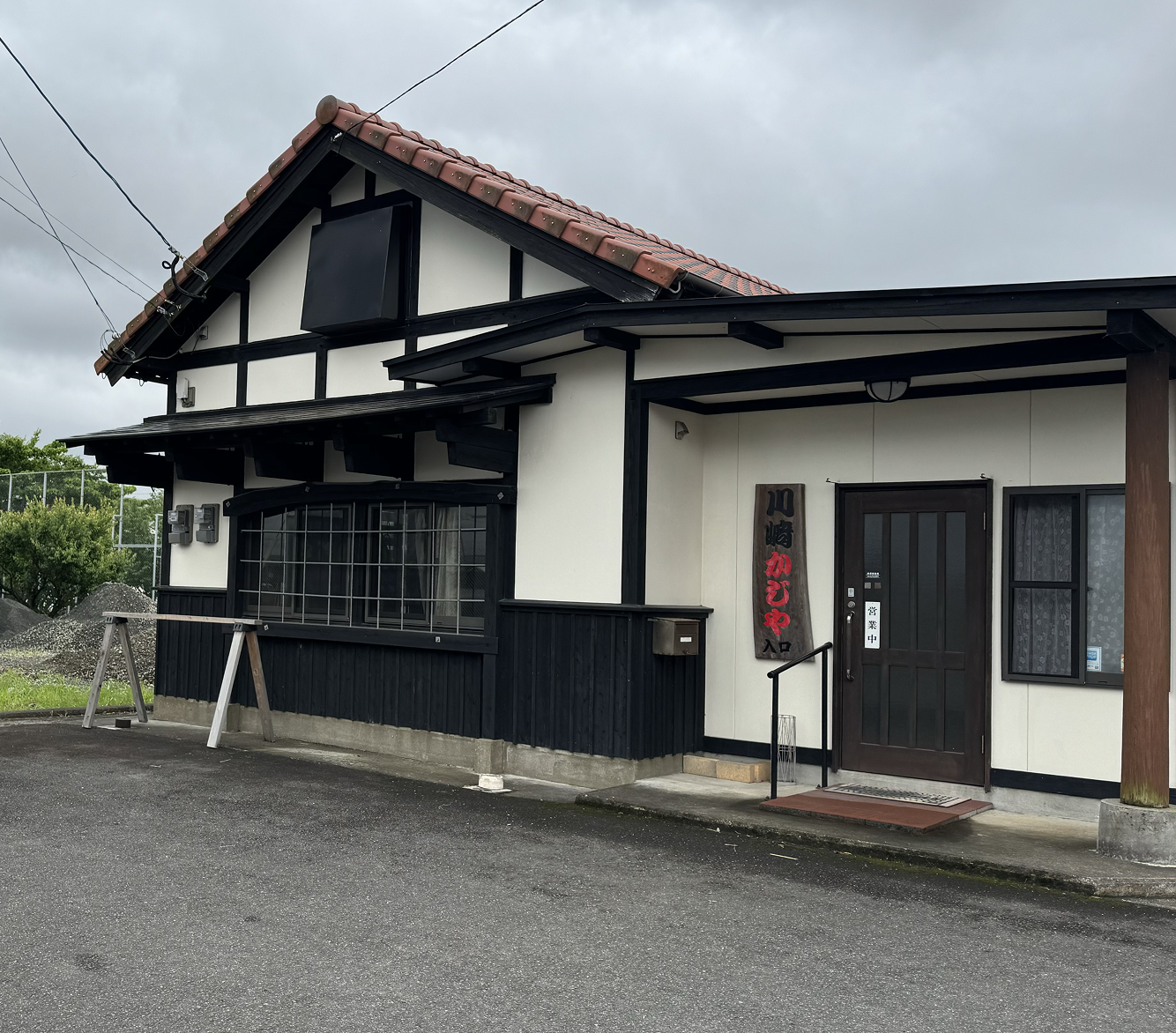
In the rural town of Shiroishi, Saga Prefecture, Kawasaki Kajiya has quietly supported everyday life for over a century. Run today by a third-generation master and his nephew, this small forge continues to craft blades the traditional way, by hand, with purpose, and always with the community in mind.
From kitchen knives to farming tools, each blade reflects a deep-rooted history of craftsmanship shaped by the needs of local people. This is not a place of mass production. It is a workshop where every edge has intention.
PHILOSOPHY AND PROCESS
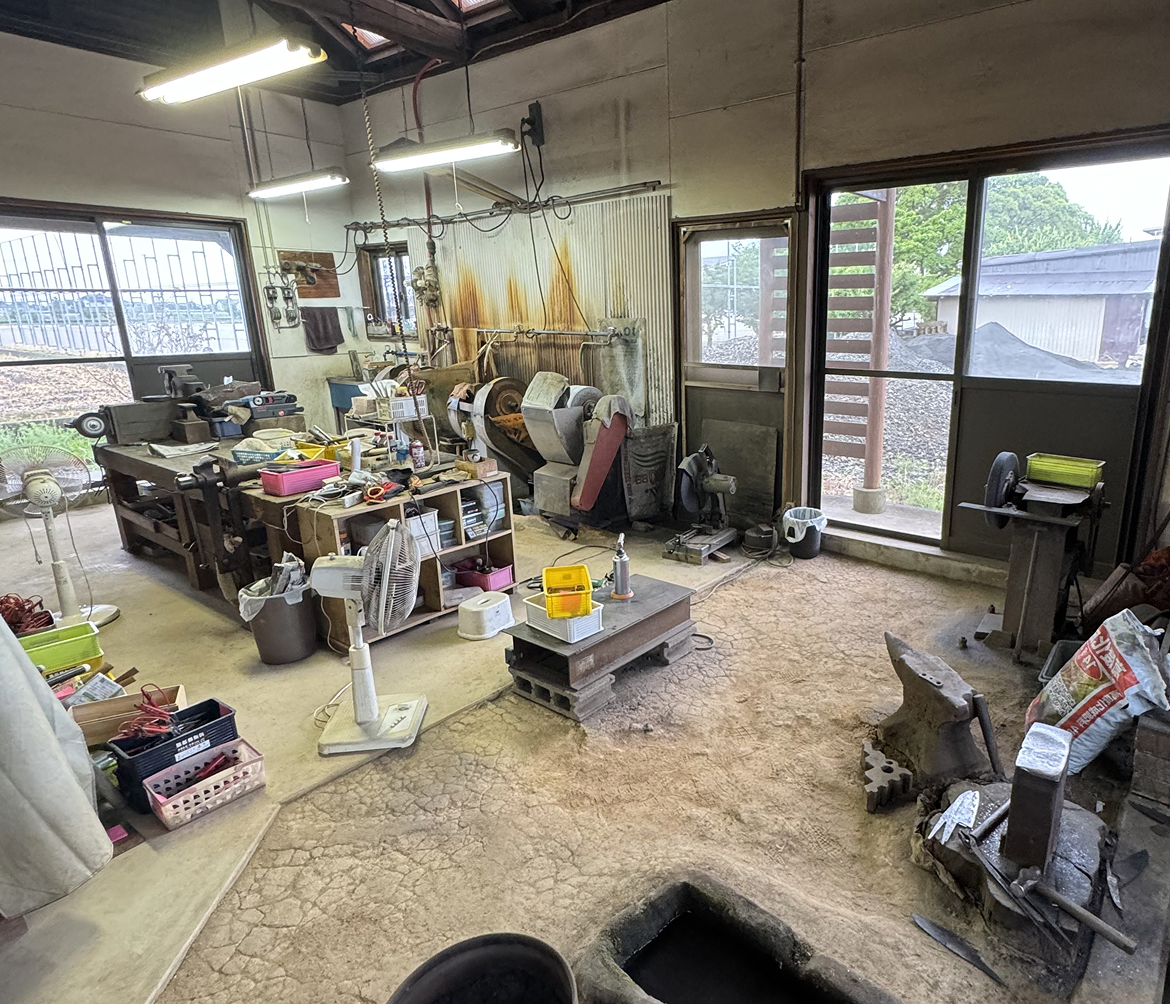
Community Tools, Hand-Forged
Kawasaki Kajiya makes a wide range of blades including kitchen knives, kama sickles, hoes, axes, machine blades, and custom pieces. They also produce arrowheads used in local yabusame horseback archery ceremonies. Everything is handmade using high-grade steel, with a focus on practicality and durability.
Orders are shaped by real-world use. Customers bring their needs, harvesting tools for a specific crop, a preferred balance or weight, and the smiths shape each blade accordingly. The workshop has also taken on materials from a now-closed forge, continuing the legacy of others as well.
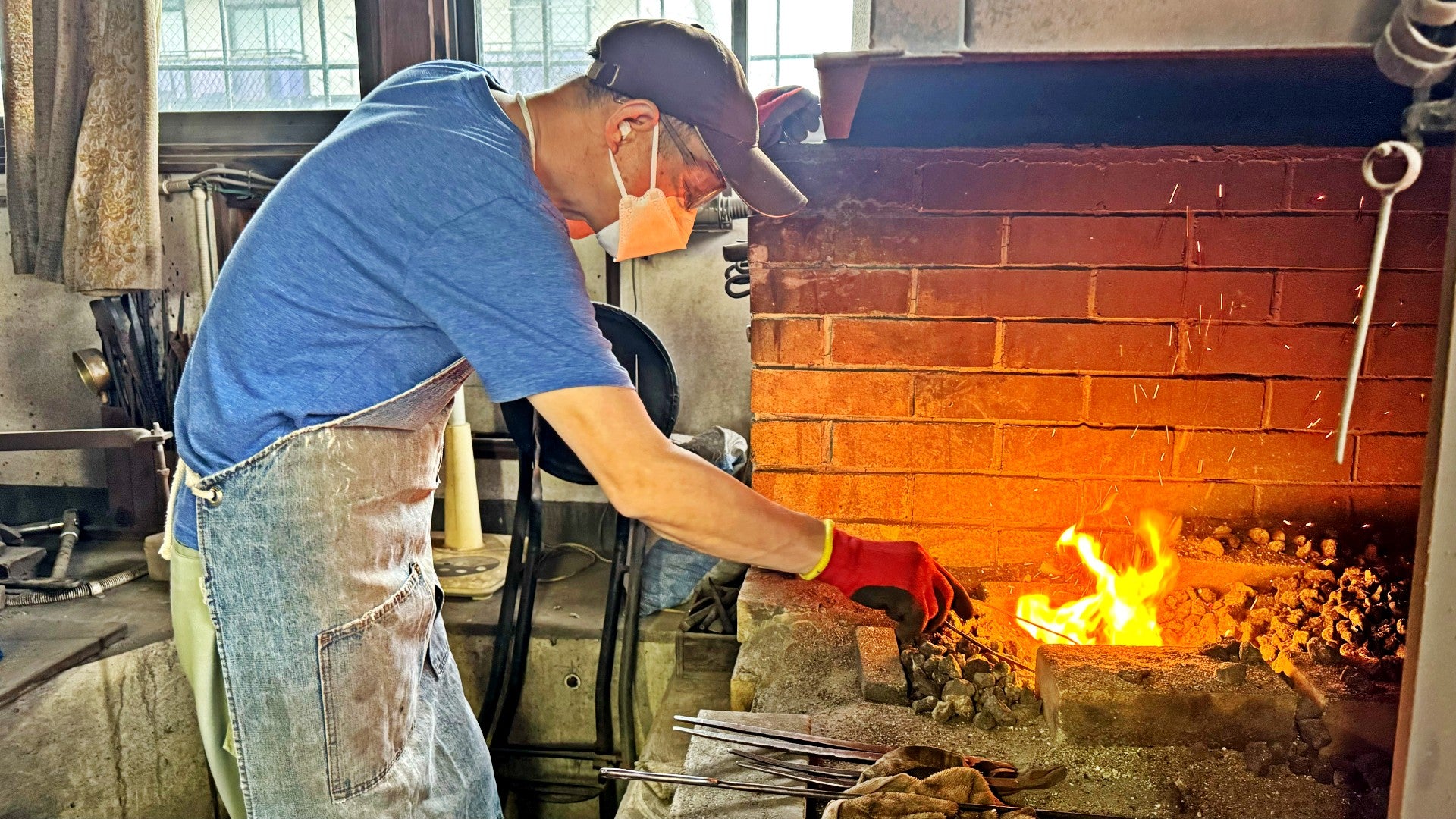
A Dialogue Between Generations
The blacksmithing is led by an experienced craftsman in his sixties, who inherited the forge from his grandfather. Alongside him is his nephew, who left a more conventional career path to carry on the tradition. The uncle now handles the forging, while the younger craftsman is focused on sharpening, polishing, and final finishing.
The approach is collaborative. The younger smith speaks of surpassing the previous generation not out of pride, but out of responsibility, to keep improving what came before and ensure the forge evolves with the times.
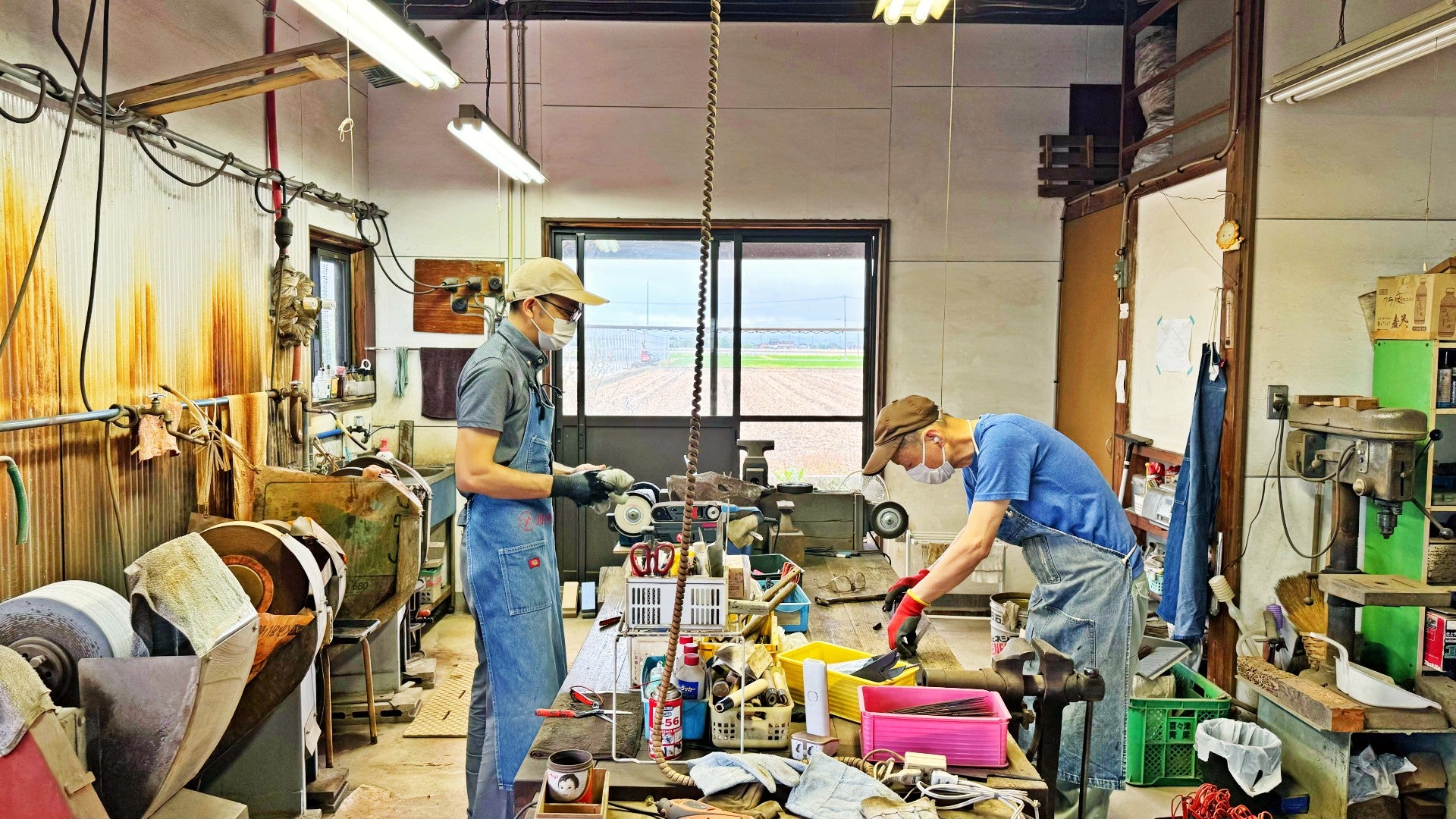
Built to Last, Maintained with Care
Kawasaki Kajiya also offers sharpening and repair services for all kinds of blades, kitchen knives, sickles, scissors, and machinery tools. With skilled hands and a steady eye, they restore tools to their original sharpness using traditional techniques.
Each blade is finished with precision. Final edge work is done by feel, not machines, and verified through careful adjustment. Proper care, they say, can extend a blade’s life for decades. Many tools are passed down through families, staying sharp and reliable with regular maintenance.
MESSAGE FROM THE MAKERS
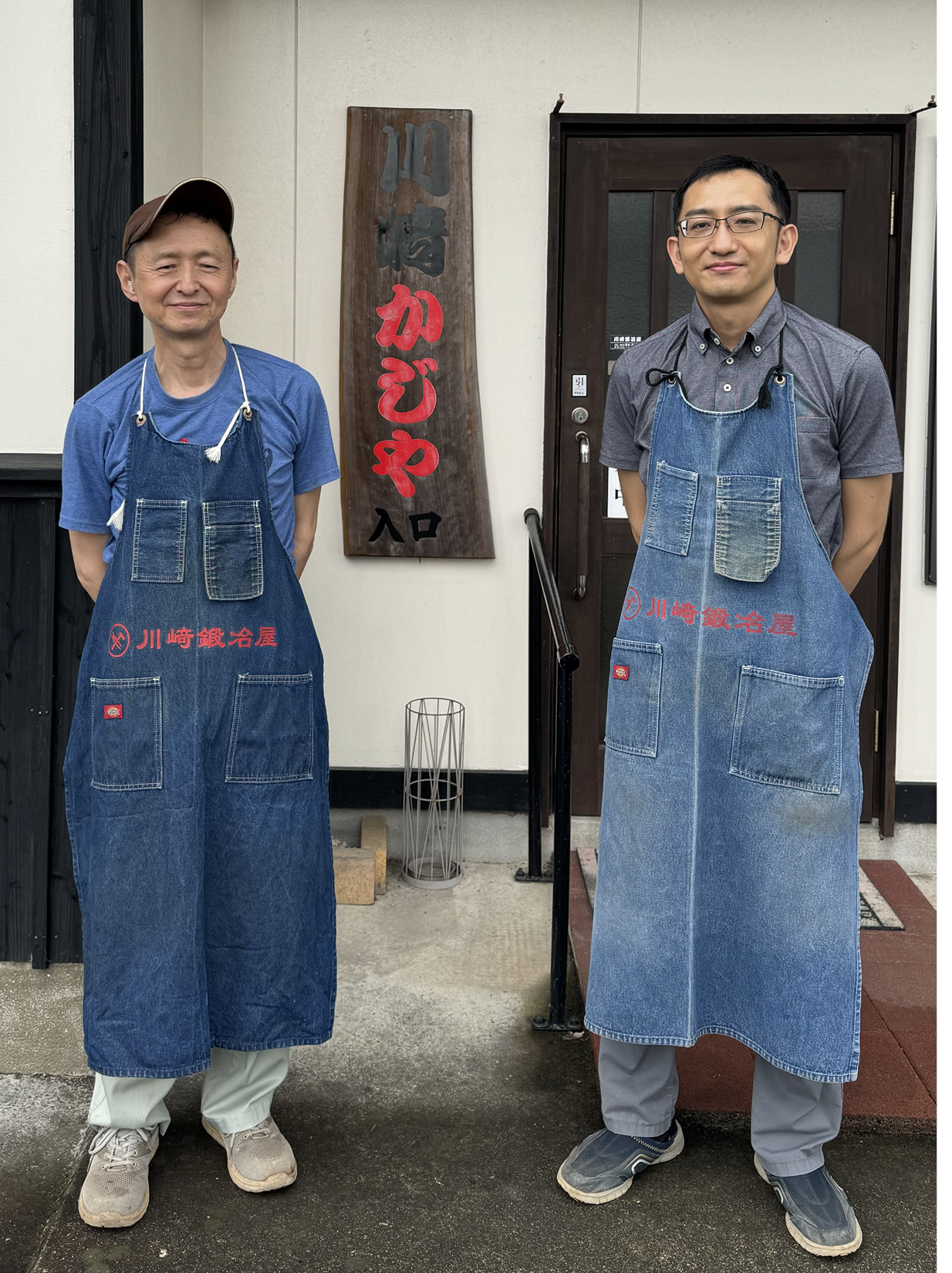
We’re a small forge, just the two of us. But this workshop has been around for over a hundred years. People still need knives and tools that last, even if the times change.We don’t think blades will ever disappear from daily life. As long as people grow food, prepare meals, and work with their hands, there will be a need for sharp tools. That is why we are here. And we hope someone will carry this forward after us, just as we carried it from those before.
Frequently Asked Questions
Are Kawasaki Blacksmith knives dishwasher safe?
No, Kawasaki Blacksmith knives should not be washed in the dishwasher. To prevent damage to your knife and ensure it lasts you for years to come, please wash the knife by hand with a mild detergent and gentle sponge.
How should I care for my knife?
After each use, be sure to wash the knife by hand using a mild detergent and gentle sponge. Rinse clean and wipe with a soft dish towel until completely dry. Store in a dry place.
Will my Kawasaki Blacksmith knife rust?
Kawasaki Blacksmith knives are made of Aogami No.2 (Blue Steel #2), a type of carbon steel. Thus, they are prone to rust, so be sure to dry your knife completely before putting it away and to store in a dry place to prevent corrosion.
How much will shipping cost?
All prices include FREE international shipping. Please allow up to 5 weeks for shipping, depending on your country of residence. Please see our Shipping Policy for details.
Please note: Our products ship directly from Japan to you. You may be required to pay customs duties and/or customs clearance fees upon delivery (if applicable in your country). US customers please see our Important Notice for US Customers.
How do I sharpen my knife?
Please refer to the video below.
How to Sharpen your knife
Caring for your knife will make it last you for decades. After use, wash it with clean hot water, dry it off thoroughly, and place it in newspaper to prevent rusting. Check out the video below for more information on how to sharpen your knife with a sharpening stone, and how to store it safely.