


Shirou Kunimitsu Single-Bevel Kurouchi Nakiri Knife 160mm
The Shirou Kunimitsu Single-Bevel Kurouchi Nakiri Knife 160mm is a handcrafted Japanese kitchen knife by Akimitsu Komiya and his family, blacksmiths in charge of the Shirou Kunimitsu workshop in Omuta city, Fukuoka prefecture. This single-bevel nakiri knife is crafted in Shirogami No. 1 Steel following the same techniques as Japanese katana swords, other of the specialties of the workshop. It features a kurouchi finish and is fitted with magnolia wood handle.
About the Blade Shape: A traditional Japanese vegetable knife, nakiri knives are designed for efficient, straight-down chopping with clean, uniform cuts. The flat edge profile makes full contact with the cutting board, reducing the need for rocking while promoting speed and precision. Typically single-bevel nakiri blades measure between 165mm and 180mm and they are ideal for home cooks and professionals focused on vegetable preparation.
| Blade Shape | Nakiri | Handle Length | 135mm |
| Blade Material | Shirogami No.1 Steel | Handle Material |
Magnolia Wood, Water Buffalo Ferrules |
| Blade HRC | 63-65 | Handle Shape | Oval |
| Blade Finish | Kurouchi | Total Length | 305mm |
| Blade Length | 160mm | Weight | 165g |
| Spine Thickness at Heel | 2.3mm | Usage | Vegetables |
| Edge | Single-edge | Origin | Omuta, Fukuoka prefecture |
| Handedness | Right hand |
- Amakusa Red Sharpening Stone (natural stone)
- Grit: #500-#800
- Size: 150 x 45 x 30mm*
- Weight: 525 gr*
*This is a natural stone that comes directly from a quarry, so the size and weight of each stone may slightly vary.
HOW TO USE?
- Only cut food you can bite and chew with this knife since hard foods can chip the blade. Do not cut olive pits, bones, lobster shells, wood pieces or frozen food, which are especially bad due to the cold making hard steel more brittle.
- Do not use the knife in twisting motions.
- Use wood or plastic cutting boards to avoid dull knives. Do not use glass, granite or bamboo surfaces.
HOW TO CLEAN?
- After each use, hand wash the knife with mild detergent and a soft sponge, rinse with hot water and dry by hand immediately. Do not use the dishwasher.
- Wood handles may dry out over time and exposure to water. To prevent this, use some food safe mineral oil or beeswax.
HOW TO SHARPEN?
- Use the FREE WHETSONE included with the knife for sharpening. It is recommended by the manufacturer.
- Remember to sharpen both sides evenly as this is a double-bevel knife.
HOW TO STORE?
- Wrap the blade in newspaper to reduce direct exposure to the air and prevent rusting if you keep knives in a drawer or travel case.
- If you are hanging the knife or using a knife stand, remember that the blade should point downwards.
- If you are storing them in a drawer, keep the edge from touching anything else.
Import duties, VAT, or local customs taxes may apply once your order reaches your country.
These are set by your local customs authority and are not included in our product prices or free shipping. We suggest contacting the responsible institutions to find more information.
These fees are the customer's responsibility and thus must be paid upon delivery.
FOR U.S. CUSTOMERS: Beginning August 26, 2025, customers have reported anywhere from 20% to 80% import taxes due to changes in tariffs regulations.

AS FEATURED ON YOUTUBE
Shirou Kunimitsu: A 200 years legacy of steel and blade precision
OVERVIEW
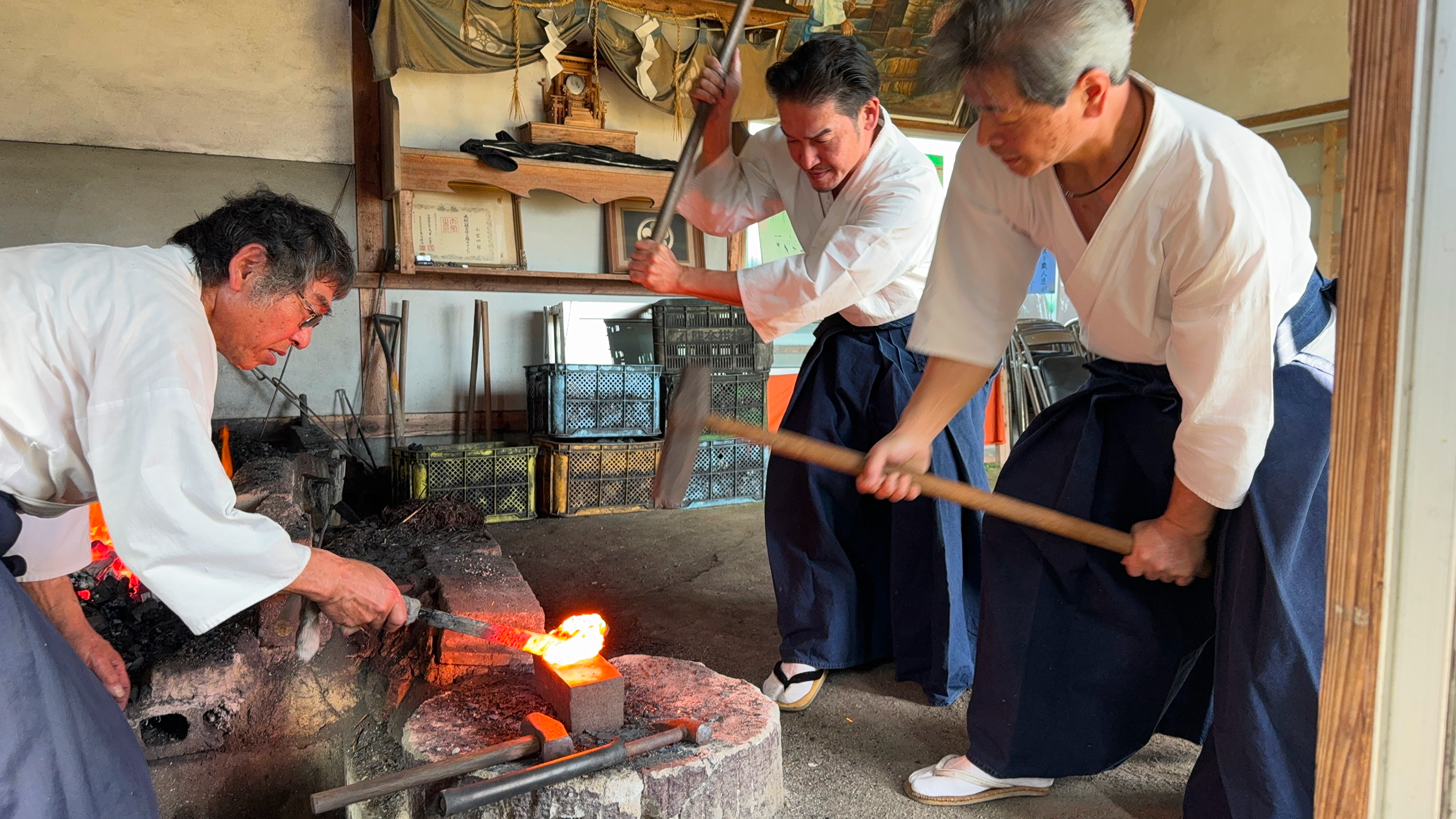
Shirou Kunimitsu is a historic blacksmith forge based in Omuta, Fukuoka, with a legacy that spans over two centuries. Rooted in the traditions of the Yanagawa domain and inspired by the legendary Miike Denta, the forge is widely recognised for blades of unmatched sharpness and craftsmanship.
Since its founding in 1786, Shirou Kunimitsu has continued to evolve, combining traditional swordsmithing techniques with modern practical applications, including kitchen knives and precision tools. Today, it remains one of the few forges in Japan where multiple licensed swordsmiths work side-by-side, each bringing their own distinctive approach to the craft.
PHILOSOPHY AND PROCESS
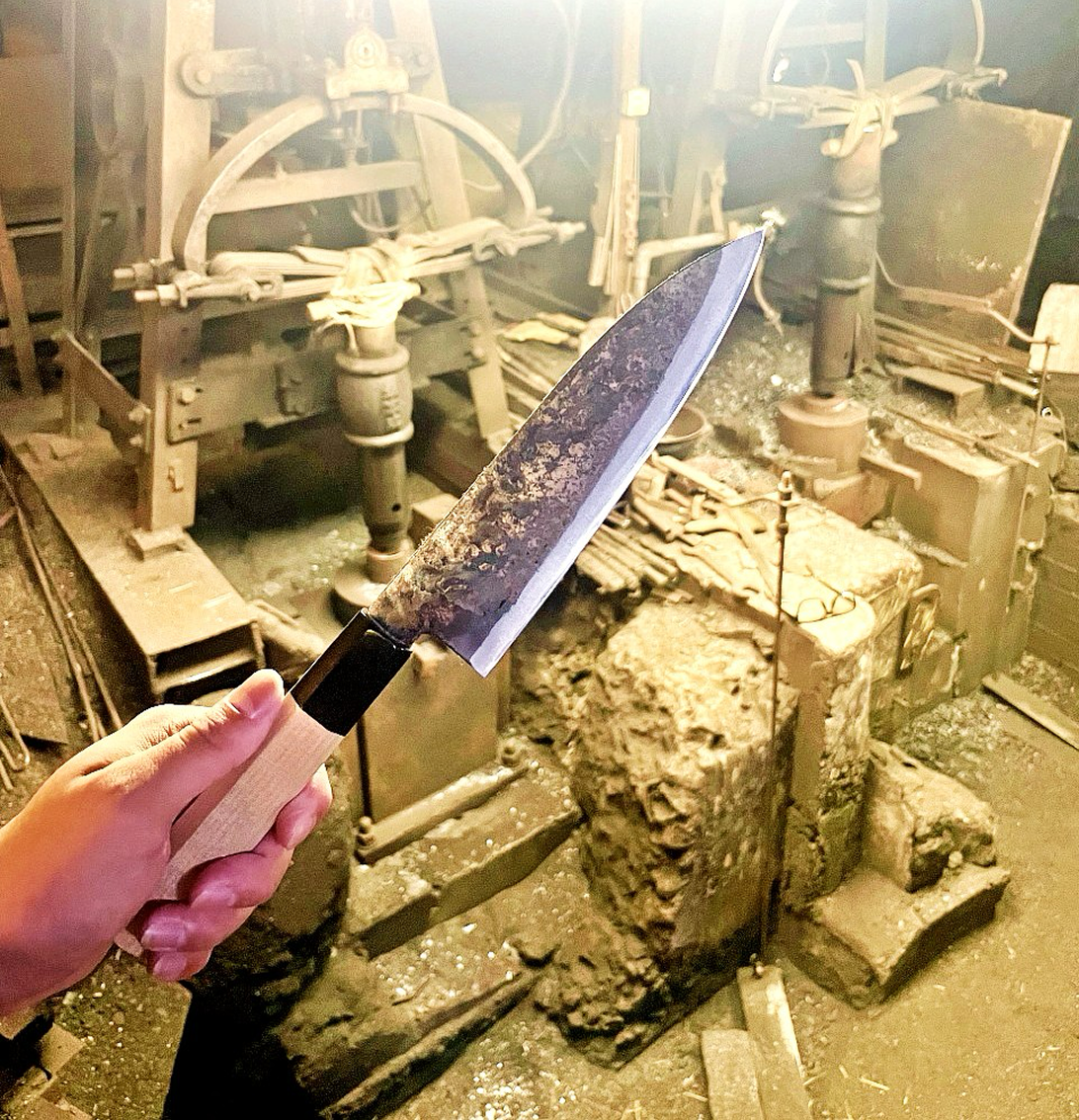
Inheriting the Spirit of Miike Denta
The forge draws its foundational ideals from Miike Denta, a celebrated swordsmith of the Heian period whose work was revered by warlords like Toyotomi Hideyoshi.
The Komiya family, now operating as Shirou Kunimitsu, sees Denta’s legendary sharpness as a benchmark. This ethos continues to guide the workshop’s dedication to precision and performance in every blade they produce.
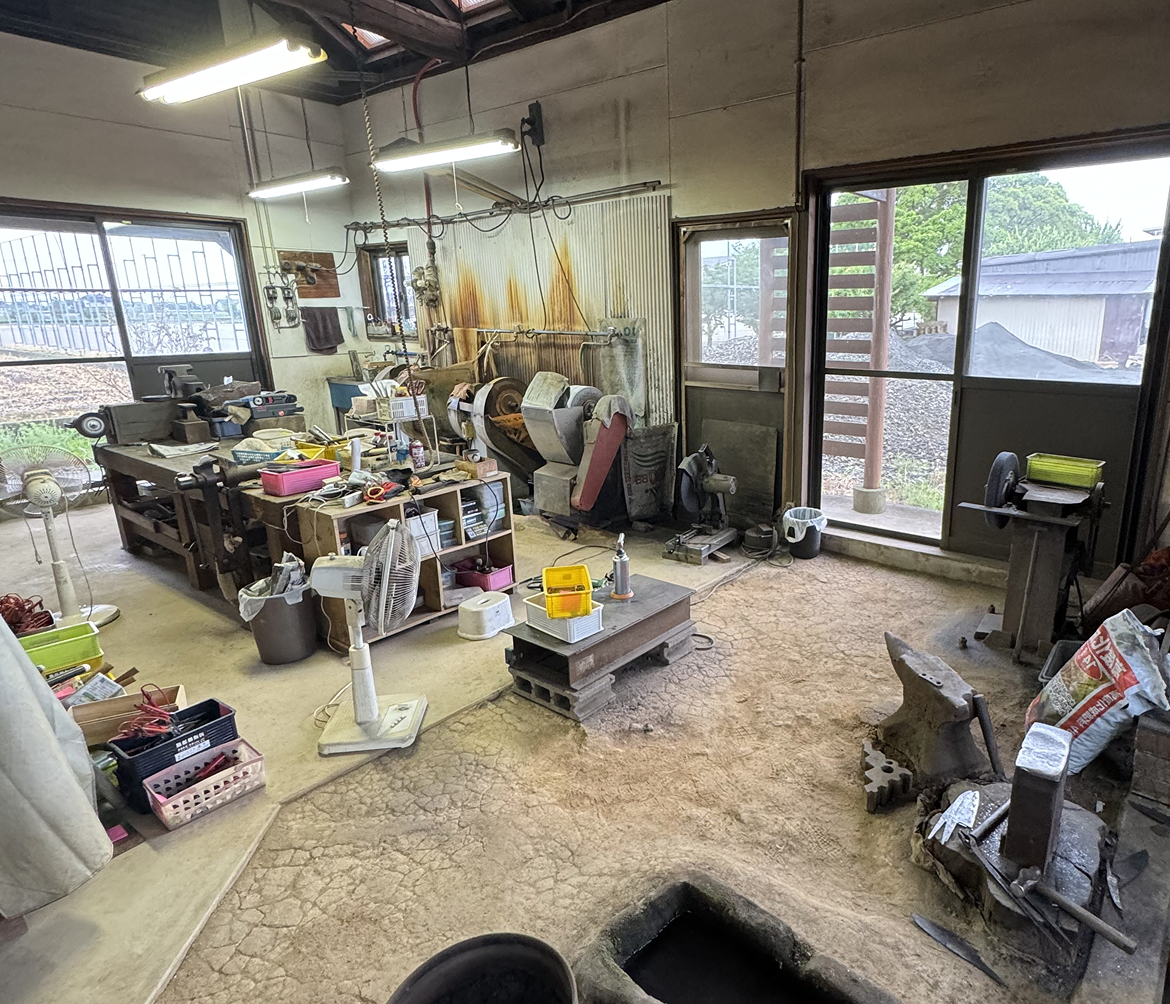
Competing with the Greats
In 1939, Shirou Kunimitsu earned the title of “Sharpest Blade in Japan” at a national sword-testing competition. Their blade not only reached the finals alongside the revered “Kotetsu” sword but ultimately surpassed it in performance. This victory was affirmed by Dr. Nakayama Hakudō, a master test-cutter, and remains a defining moment in the forge’s modern history.
That same year, one of their swords was selected as an imperial gift and received public acclaim from Naval Minister Admiral Shimada.
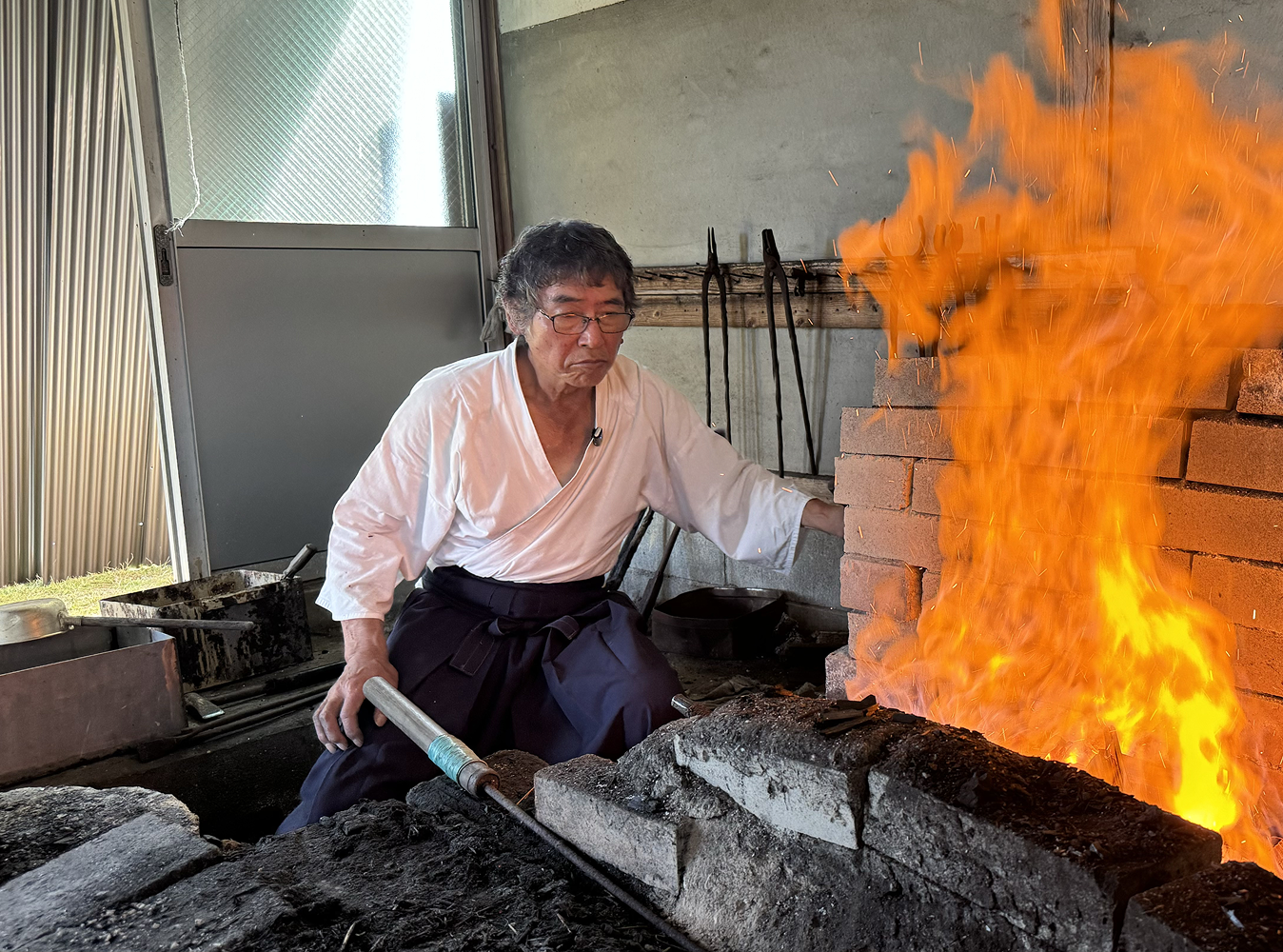
No Compromise Craftsmanship
Shirou Kunimitsu continues to reject mass production. Each knife and sword is handcrafted using high-quality steel and traditional methods passed down through generations.
While the product range includes kitchen knives, chisels, and custom tools, the philosophy remains unchanged: every blade must be worthy of its lineage. Their current roster of five in-house swordsmiths, an extraordinary number for a single forge, ensures that diverse craftsmanship styles are preserved and refined.
MESSAGE FROM THE MAKERS
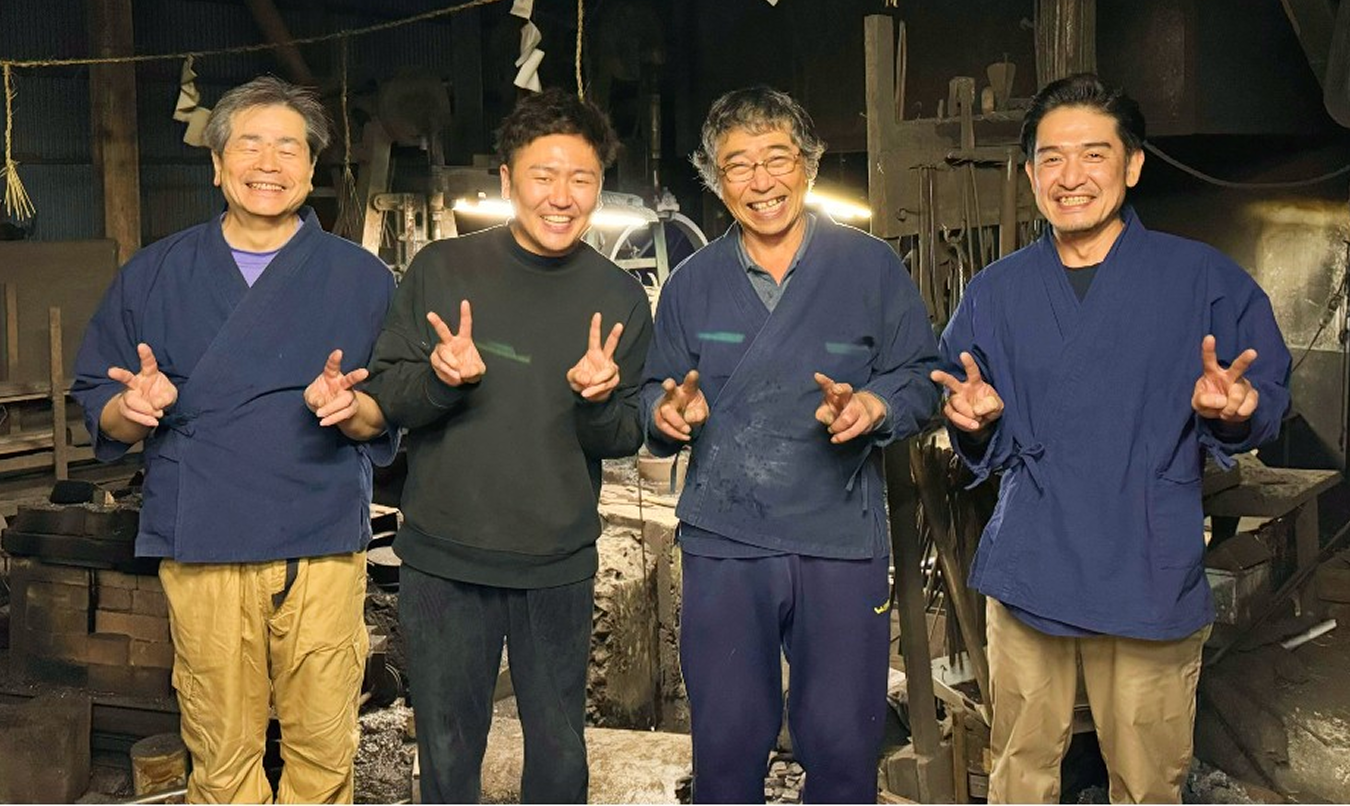
“Our mission is simple: never compromise on sharpness. Whether it’s a kitchen knife or a katana, every Shirou Kunimitsu blade reflects generations of skill and conviction.
We believe that sharpness is not just a feature, it’s a responsibility to the craft and to those who use our tools. The legends we honour, the competitions we’ve won, and the customers we serve all point to one truth: a blade’s value lies in how it’s made. That is why we forge each one with care, and never in bulk.”
FREQUENTLY ASKED QUESTIONS
Are NShirou Kunimitsu knives dishwasher safe?
No, Shirou Kunimitsu knives should not be washed in the dishwasher due to their artisanal crafting process. To prevent damage to your knife and ensure it lasts you for years to come, please wash the knife by hand with a mild detergent and gentle sponge.
How should I care for my Shirou Kunimitsu knife?
After each use, be sure to wash the knife by hand using a mild detergent and gentle sponge. Rinse clean and wipe with a soft dish towel until completely dry. Store in a dry place.
Will my Shirou Kunimitsu knife rust?
Shirou Kunimitsu knives are made of Shirogami No.1 (White Steel #1), a type of carbon steel. Thus, they are prone to rust, so be sure to dry your knife completely before putting it away and to store in a dry place to prevent corrosion.
How much will shipping cost?
All prices include FREE international shipping. Please allow up to 5 weeks for shipping, depending on your country of residence. Please see our Shipping Policy for details.
Please note: Our products ship directly from Japan to you. You may be required to pay customs duties and/or customs clearance fees upon delivery (if applicable in your country). US customers please see our Important Notice for US Customers.
How do I sharpen my Shirou Kunimitsu knife?
Please watch the below video.
When you take proper care of your knife, it will last for decades. Apart from washing it with clean hot water, drying it off thoroughly, and placing it in newspaper to prevent rust, you need to sharpen your knife properly using a sharpening stone. And we explain you how here: