


Kurotori Blacksmith Stainless Steel Funayuki Santoku Knife 165mm
The Kurotori Blacksmith Stainless Steel Gyuto is a hand-forged Japanese kitchen knife crafted by Hiroshi Kajihara, a 6th-generation blacksmith in Shimanto, Kochi prefecture and his four apprentices. With a mirror-like polished surface and a double-edged blade made from Ginsan No.3 stainless steel, this knife ensures durability and sharpness.
About the Blade Shape: With its origins as a fisherman's boat knife, Funayuki Santoku knives have become popular in Japan as an alternative for vegetable, poultry and fish home cooking. Featuring a slight curve towards a pronounced tip, it blends aspects of Santoku, Gyuto and Deba blades for slicing smaller cuts of meat without bones, small fish filleting, and general vegetable kitchen related tasks.
| Blade Shape | Funayuki Santoku | Handle Length | 135mm |
| Blade Material | Ginsan No.3 Stainless Steel with Stainless Steel Cladding | Handle Material | Walnut Wood |
| Blade HRC | 60-61 | Handle Shape | Octagonal |
| Blade Finish | Mirror | Total Length | 310mm |
| Blade Length | 165mm | Weight | 130g |
| Spine Thickness at Heel | 2.6mm | Usage | Small Fish, Poultry (no bones), Vegetables |
| Edge | Double-edge (50/50) | Origin | Shimanto, Kochi prefecture |
| Handedness | Right hand, Left hand |
HOW TO USE?
- Only cut food you can bite and chew with this knife since hard foods can chip the blade. Do not cut olive pits, bones, lobster shells, wood pieces or frozen food, which are especially bad due to the cold making hard steel more brittle.
- Do not use the knife in twisting motions.
- Use wood or plastic cutting boards to avoid dull knives. Do not use glass, granite or bamboo surfaces.
HOW TO CLEAN?
- After each use, hand wash the knife with mild detergent and a soft sponge, rinse with hot water and dry by hand immediately. Do not use the dishwasher.
- Wood handles may dry out over time and exposure to water. To prevent this, use some food safe mineral oil or beeswax.
HOW TO STORE?
- Wrap the blade in newspaper to reduce direct exposure to the air and prevent rusting if you keep knives in a drawer or travel case.
- If you are hanging the knife or using a knife stand, remember that the blade should point downwards.
- If you are storing them in a drawer, keep the edge from touching anything else.
We offer FREE SHIPPING for all orders. We also ship worldwide from our warehouse in Japan.
After your order is confirmed, it may take up to 3-5 business days for dispatch from our warehouse.
You'll receive:
- An order confirmation email when we check payment.
- A shipping confirmation email with a tracking number once your order has shipped.
Import duties, VAT, or local customs taxes may apply once your order reaches your country.
These are set by your local customs authority and are not included in our product prices or free shipping. We suggest contacting the responsible institutions to find more information.
These fees are the customer's responsibility and thus must be paid upon delivery.
FOR U.S. CUSTOMERS: Beginning August 26, 2025, customers have reported anywhere from 20% to 80% import taxes due to changes in tariffs regulations.

AS FEATURED ON YOUTUBE
From Tosa’s Mountains to the Maker’s Bench: The Work of Kurotori: 150 years of Shimanto bladesmithing craftsmanship
OVERVIEW
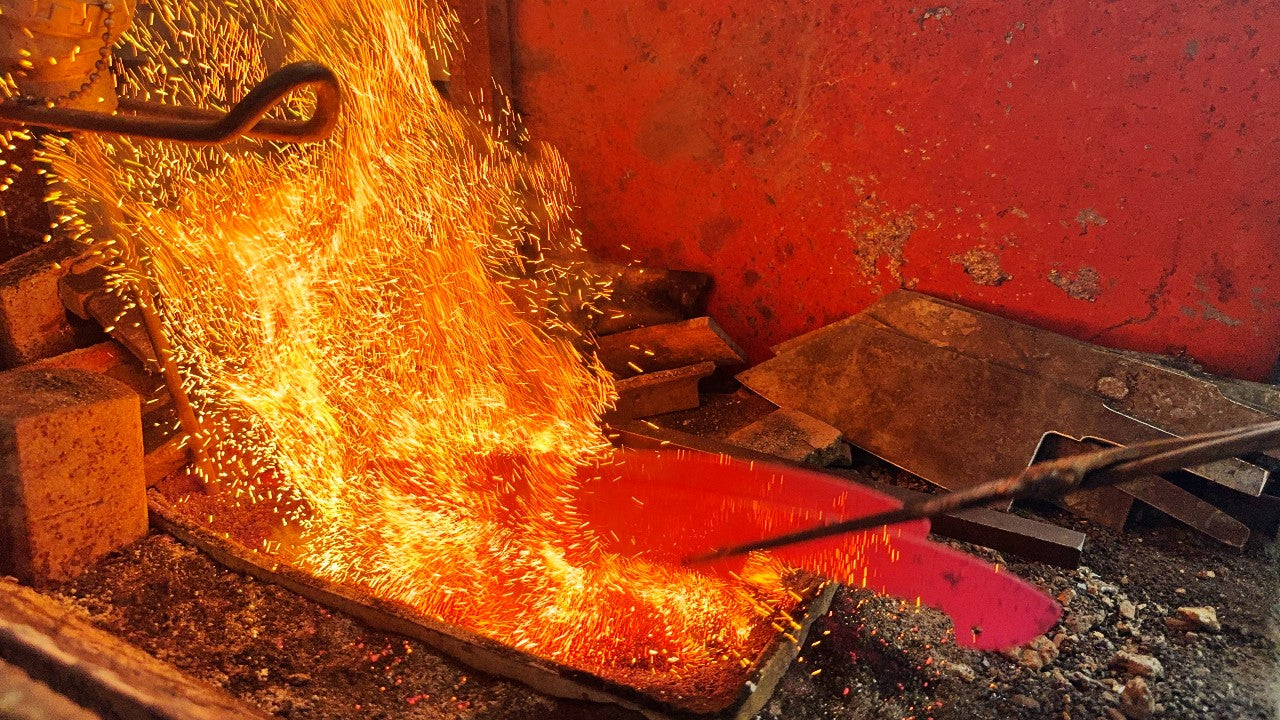
Kurotori is a family-run forge based in Shimanto Town, Kochi Prefecture, with roots tracing back over 150 years. The lineage began in Kurotori Village, Aki District, where the Kawashima family were once renowned blacksmiths in the region. After the main Kawashima line ended without an heir in the early Meiji period, the forge’s top disciples carried on its legacy. The third disciple, Heiji Kajiwara, moved to Higashimata (now part of Shimanto Town) and established the Kurotori forge as a new branch.
Now led by the 6th generation, Kurotori continues to make blades for everyday use, grounded in the needs of local people. Originally focused on forest and agricultural tools such as sickles, hatchets, and pruning blades, the forge now also produces kitchen knives and stainless steel tools while maintaining its commitment to practical design and handcraftsmanship.
PHILOSOPHY AND PROCESS
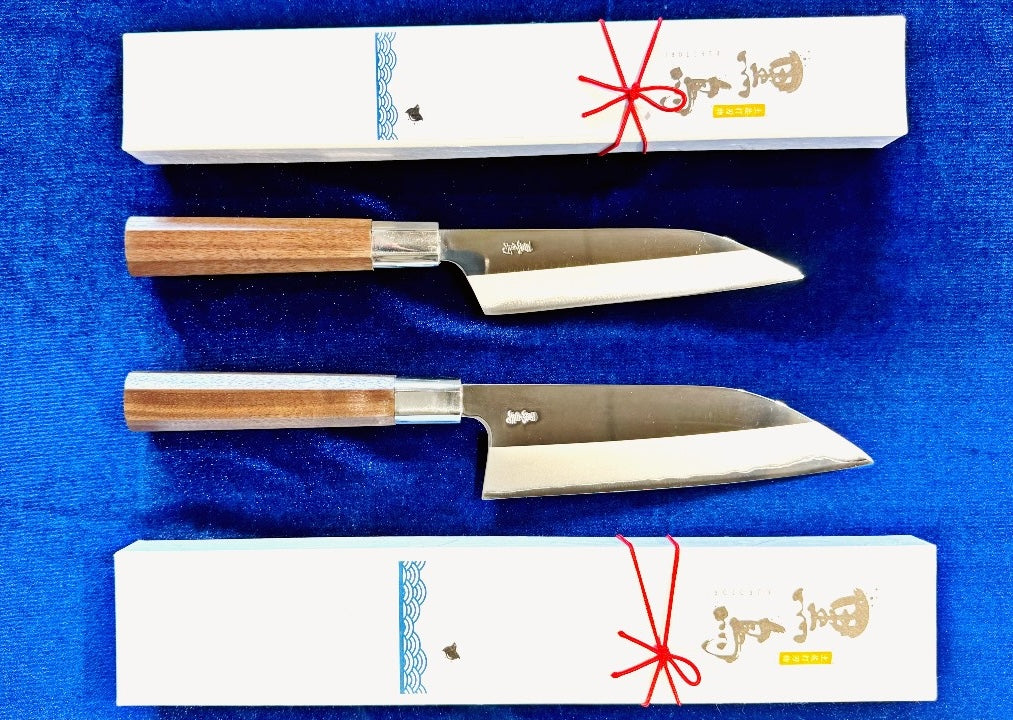
Made in Tosa, Built for Work
Kurotori is part of the Tosa uchihamono tradition, which refers to the hand-forged blades of Kochi Prefecture. These blades are made by layering iron and steel, shaped freely without reliance on molds or mass-production forms. This method allows each tool to be adapted in size, shape, balance, and cutting profile to fit the specific needs of the user.
The forge’s historical focus on forestry tools has influenced the durability and cutting precision of every product they make. Whether creating a traditional sickle or a modern stainless petty knife, the goal remains the same: to deliver long-lasting performance through proven techniques.
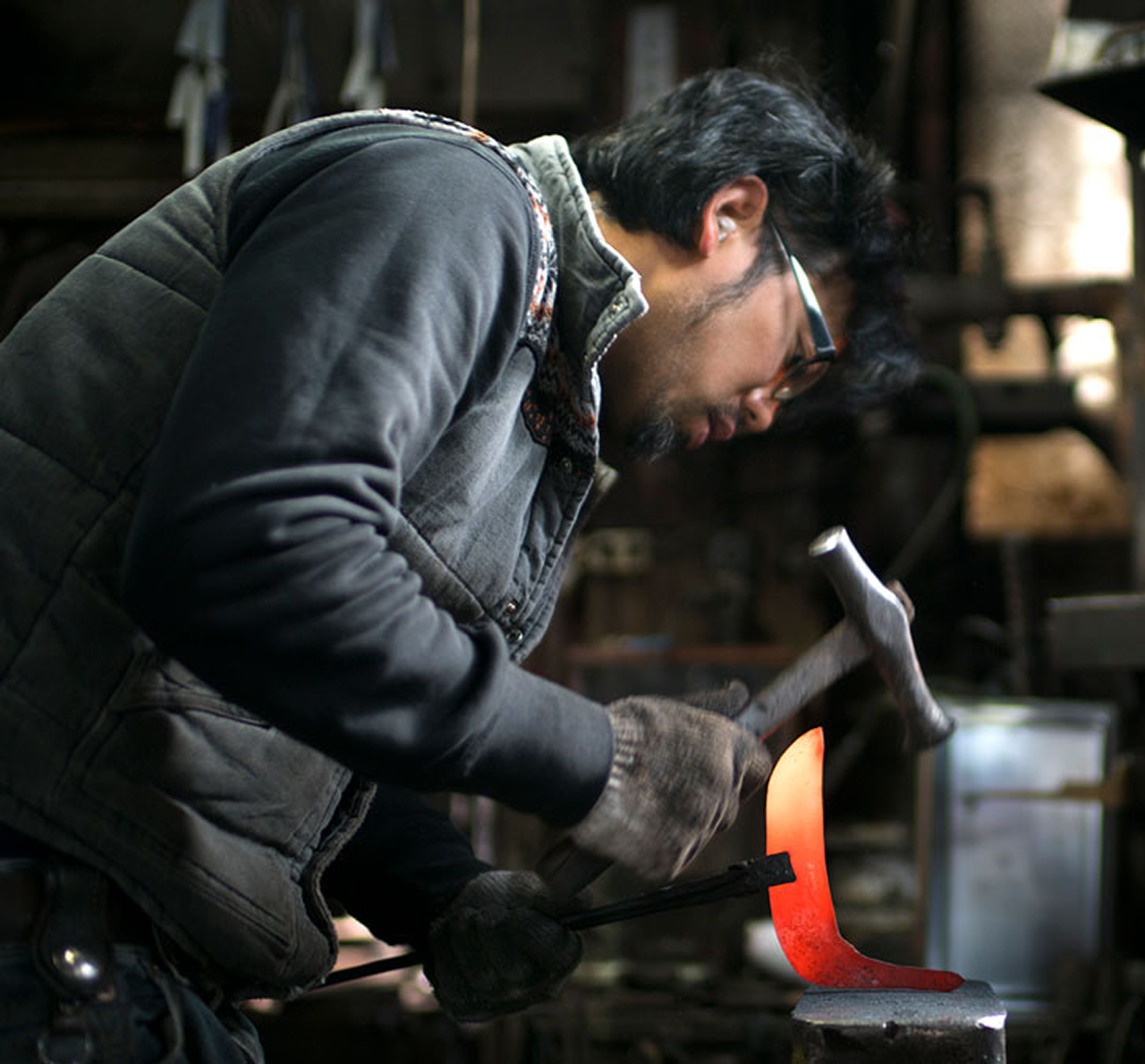
A Forge That Listens
Kurotori places user needs at the heart of its craft, responding directly to feedback from farmers, foresters, chefs, and tradespeople. Blade shape, weight, handle design, and cutting angles are all adjusted based on real-world use, not trends or production goals. Founded over 150 years ago in Kochi, the smithy was revived by Hiroshi Kajihara, the youngest son of the Kajiwara family, who now worked with four apprentices to continue the tradition.
The team supports each other while preserving both the local community and the legacy of the forge. Customers can visit the workshop, request modifications, or commission custom tools. New product development includes collaborations with designers, resulting in knives that blend traditional techniques with modern aesthetics. Each knife, including their signature stainless series with a mirror finish, is built for utility and tested for professional performance.
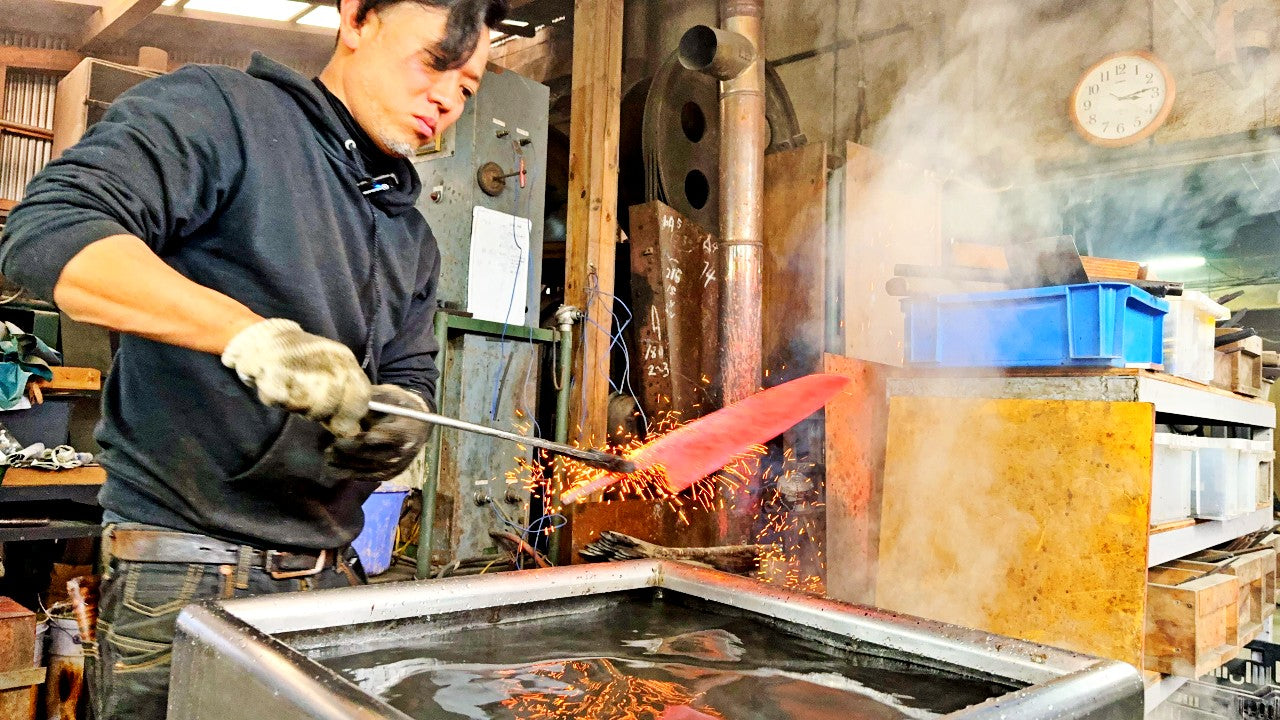
MESSAGE FROM THE MAKERS
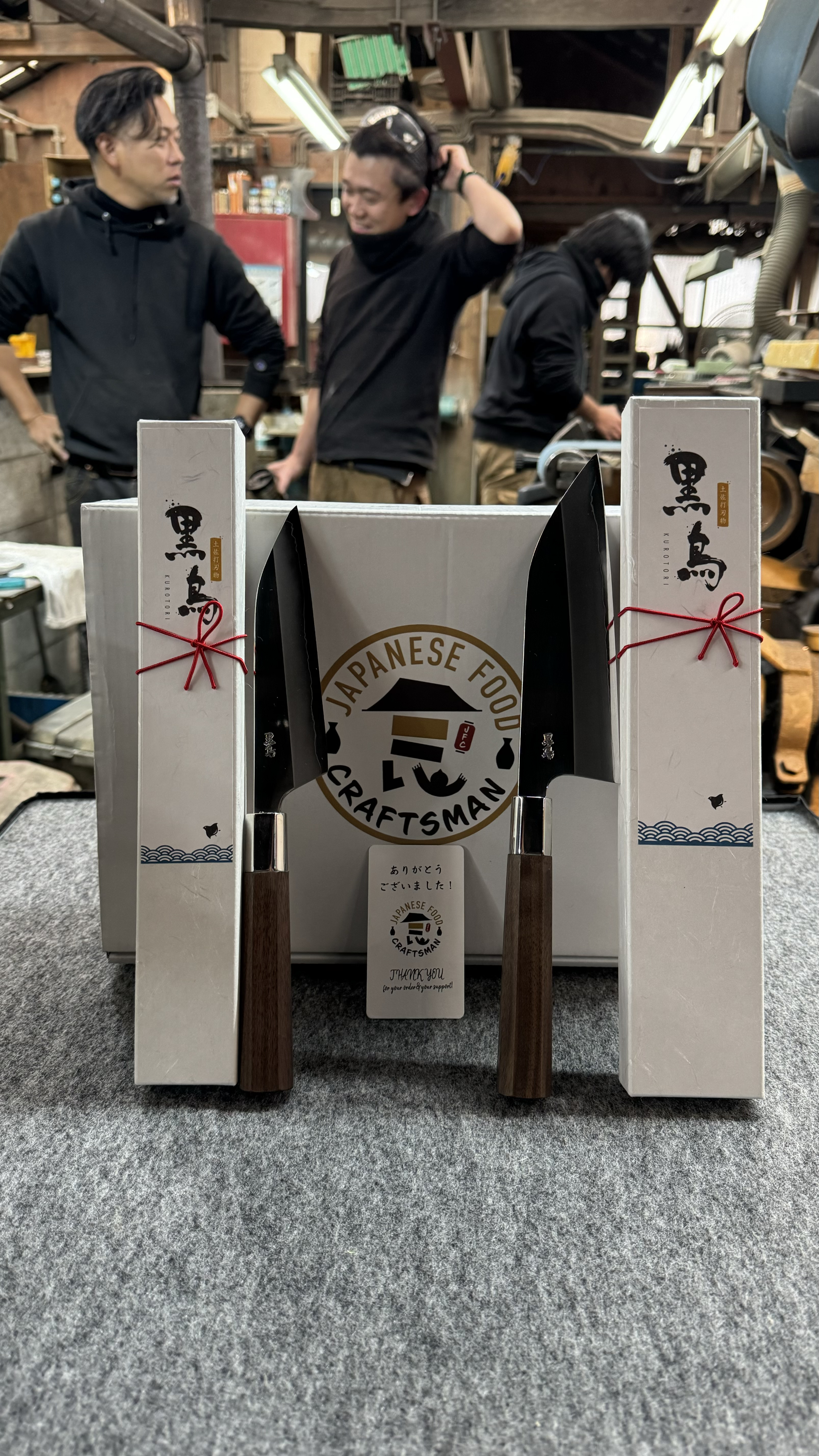
We are Kurotori, a forge built on everyday needs and generational craft. Our tools are not made for display but for real use in forests, fields, and kitchens. We shape each blade by hand, with care and focus, because we believe tools should last and serve well. As our family continues this work, we remain committed to evolving alongside the people who use our blades.
FREQUENTLY ASKED QUESTIONS
Are Kurotori Blacksmith knives dishwasher safe?
No, Kurotori Blacksmith knives should not be washed in the dishwasher due to their artisanal crafting process. To prevent damage to your knife and ensure it lasts you for years to come, please wash the knife by hand with a mild detergent and gentle sponge.
How should I care for my Kurotori Blacksmith knife?
After each use, be sure to wash the knife by hand using a mild detergent and gentle sponge. Rinse clean and wipe with a soft dish towel until completely dry. Store in a dry place.
Will my Kurotori Blacksmith knife rust?
Kurotori Blacksmith knives are crafted using stainless steel, making them rust resistant and low maintenance when compared to carbon steel knives. However, rust can still occasionally form even on stainless steel knives, so be sure to dry your knife completely before putting it away and to store in a dry place to prevent rust from forming.
How much will shipping cost?
All prices include FREE international shipping. Please allow up to 5 weeks for shipping, depending on your country of residence. Please see our Shipping Policy for details.
Please note: Our products ship directly from Japan to you. You may be required to pay customs duties and/or customs clearance fees upon delivery (if applicable in your country). US customers please see our Important Notice for US Customers.