


Nishida Hamono Polish Petty Knife 100mm
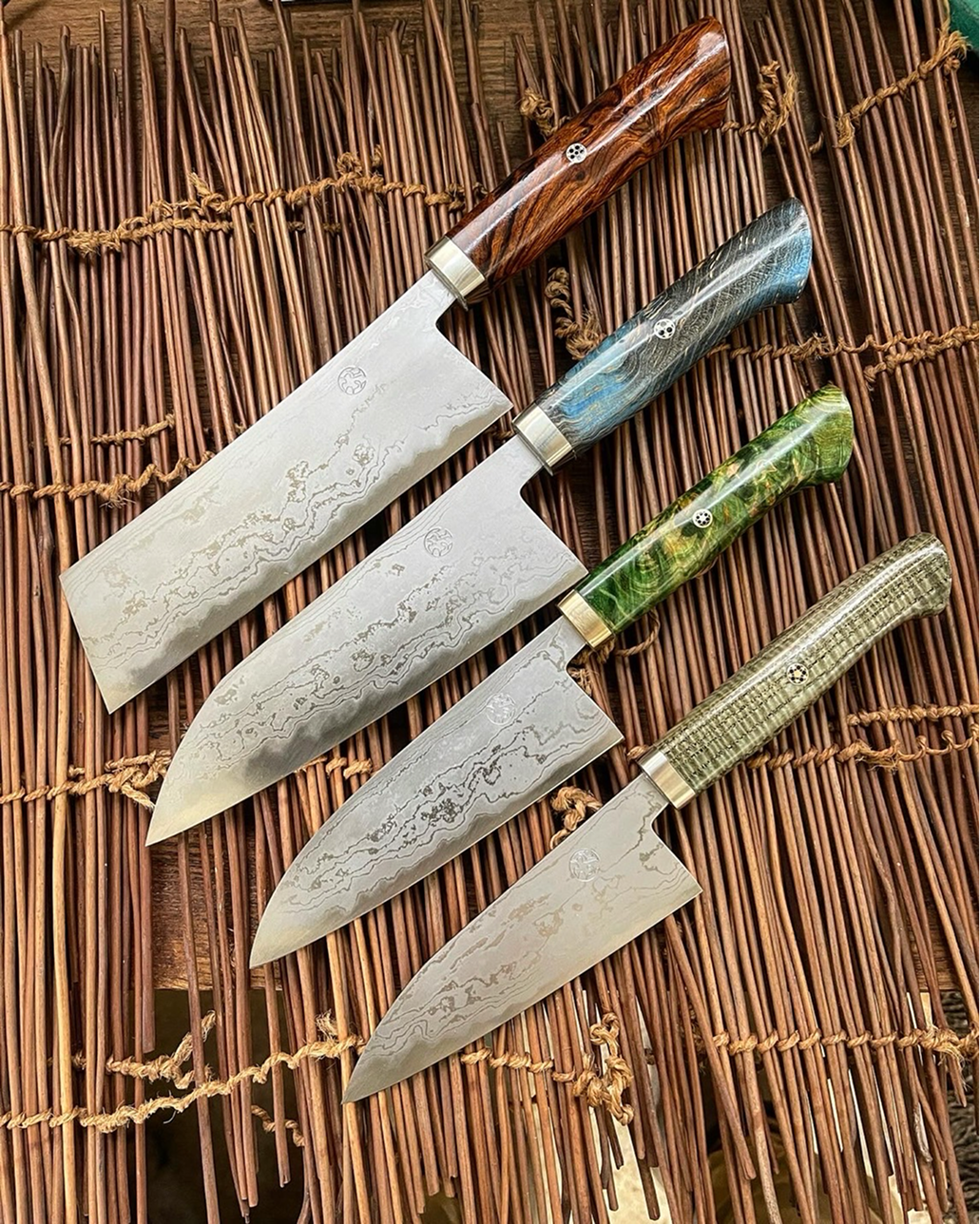
The Nishida Hamono Polish Petty Knife is a hand-forged Japanese kitchen knife crafted by Daisuke Nishida in a one-man workshop in Nankan, Kumamoto prefecture following the warigomi method. With a kurouchi surface and a double-edged blade made from Shirogami No.1, this knife ensures katana-like sharpness for small and precision tasks around the kitchen and has been featured in the national NHK Japan Broadcasting Corporation Channel.
About the Blade Shape: Petty knives are designed for smaller jobs on a cutting board. The ideal blade for detailed tasks such as peeling fruits, slicing shallots, potato peeling, cutting herbs, boning smaller proteins or decorative vegetable cuts. On the other hand, petty knives are an indispensable tool for those who feel uncomfortable wielding a larger chef knife.
| Blade Shape | Gyuto | Handle Length | 115mm |
| Blade Material | Shirogami Steel No.1 | Handle Material | Walnut Wood |
| Blade HRC | 63-65 | Handle Shape | Octagonal |
| Blade Finish | Kurouchi | Total Length | 230mm |
| Blade Length | 100mm | Weight | 65g |
| Spine Thickness at Heel | 2.2mm | Usage | Utility, Precision task, Multi-purpose |
| Edge | Double-edge (50/50) | Origin | Nankan, Kumamoto prefecture |
| Handedness | Right hand, Left hand |
- Amakusa Red Sharpening Stone (natural stone)
- Grit: #500-#800
- Size: 150 x 45 x 30mm*
- Weight: 525 gr*
*This is a natural stone that comes directly from a quarry, so the size and weight of each stone may slightly vary.
HOW TO USE?
- Only cut food you can bite and chew with this knife since hard foods can chip the blade. Do not cut olive pits, bones, lobster shells, wood pieces or frozen food, which are especially bad due to the cold making hard steel more brittle.
- Do not use the knife in twisting motions.
- Use wood or plastic cutting boards to avoid dull knives. Do not use glass, granite or bamboo surfaces.
HOW TO CLEAN?
- After each use, hand wash the knife with mild detergent and a soft sponge, rinse with hot water and dry by hand immediately. Do not use the dishwasher.
- Wood handles may dry out over time and exposure to water. To prevent this, use some food safe mineral oil or beeswax.
HOW TO SHARPEN?
- Use the FREE WHETSONE included with the knife for sharpening. It is recommended by the manufacturer.
- Remember to sharpen both sides evenly as this is a double-bevel knife.
HOW TO STORE?
- Wrap the blade in newspaper to reduce direct exposure to the air and prevent rusting if you keep knives in a drawer or travel case.
- If you are hanging the knife or using a knife stand, remember that the blade should point downwards.
- If you are storing them in a drawer, keep the edge from touching anything else.
We offer FREE SHIPPING for all orders. We also ship worldwide from our warehouse in Japan.
After your order is confirmed, it may take up to 3-5 business days for dispatch from our warehouse.
You'll receive:
- An order confirmation email when we check payment.
- A shipping confirmation email with a tracking number once your order has shipped.
Import duties, VAT, or local customs taxes may apply once your order reaches your country.
These are set by your local customs authority and are not included in our product prices or free shipping. We suggest contacting the responsible institutions to find more information.
These fees are the customer's responsibility and thus must be paid upon delivery.
FOR U.S. CUSTOMERS: Beginning August 26, 2025, customers have reported anywhere from 20% to 80% import taxes due to changes in tariffs regulations.

AS FEATURED ON YOUTUBE
NISHIDA HAMONO: A 1-PERSON FORGE IN KUMAMOTO WITH MORE THAN 20 YEARS OF FORGING TRADITION AND NHK RECOGNITION
OVERVIEW
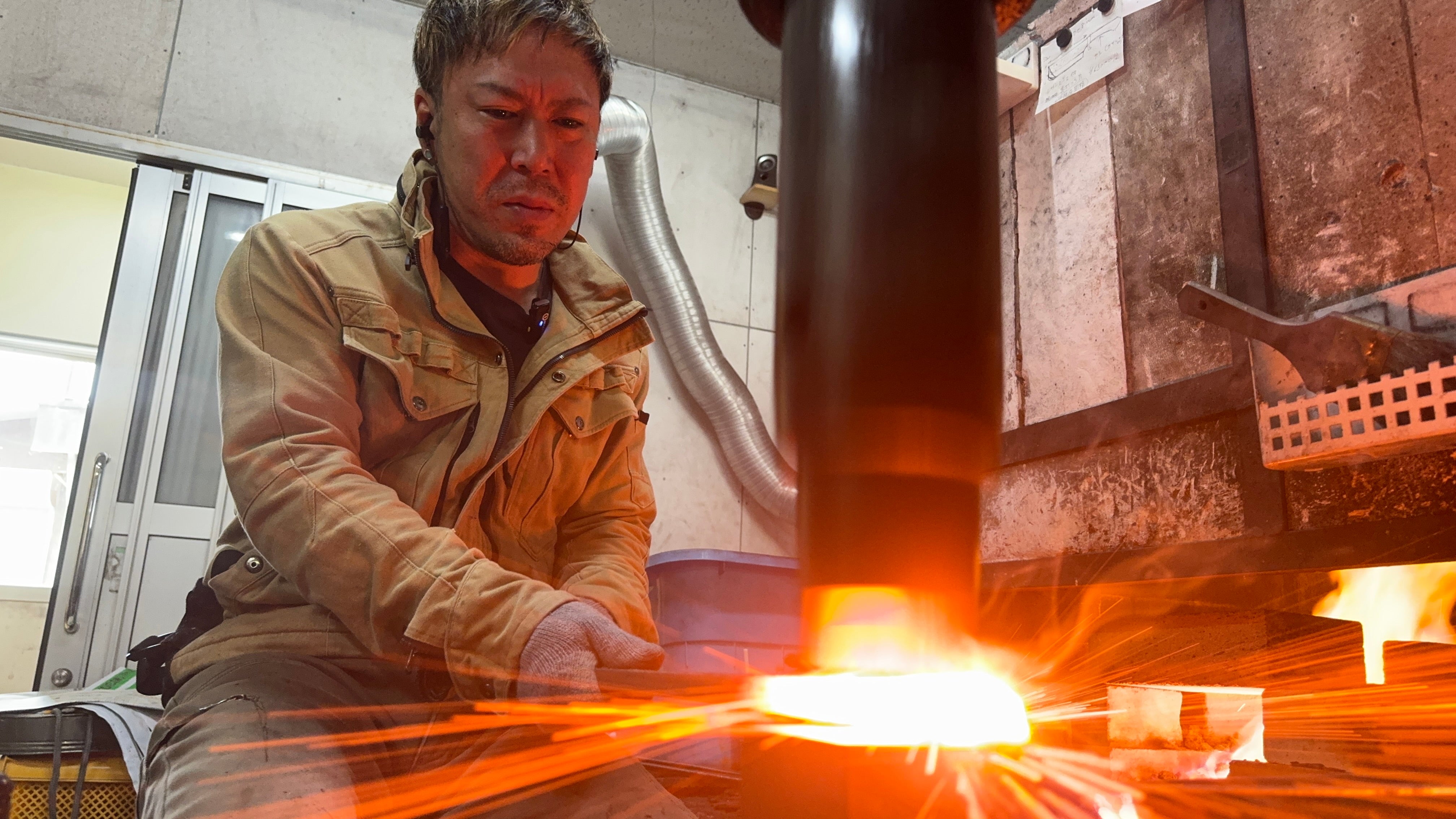
Daisuke Nishida runs Nishida Hamono in Nankan Town, Kumamoto Prefecture. He began his apprenticeship at age 19 and has spent over 20 years mastering his craft. As a one-person forge, he conducts all work by hand, from forging and welding to grinding and finishing. His method, known as warigomi, layers steel using a ladle-style weld rather than factory laminates.
His knives are praised for achieving katana-level sharpness and traditionally resonate with chefs and home cooks who prefer White #1 carbon steel blades. His skill has earned recognition on NHK, confirming his reputation as a modern artisan preserving old-world forging traditions.
PHILOSOPHY AND PROCESS
Artisan Geometry and Global Reach
Nishida crafts a complete range of chef knives: Gyuto, Santoku, Nakiri, Funayuki, and the signature Homura series. His tools feature rustic Kurouchi finishes, custom octagonal handles in walnut or cherry, and functional design rooted in centuries-old Japanese aesthetics.
Though made at a small scale, Nishida knives are sought after internationally by professionals and collectors who value hand-forged quality and carbon steel responsiveness in daily kitchen use. He regularly travels to knife shows all over Japan, where his knives sell out each time.
A One-Man Workshop with Custom Craft in Focus
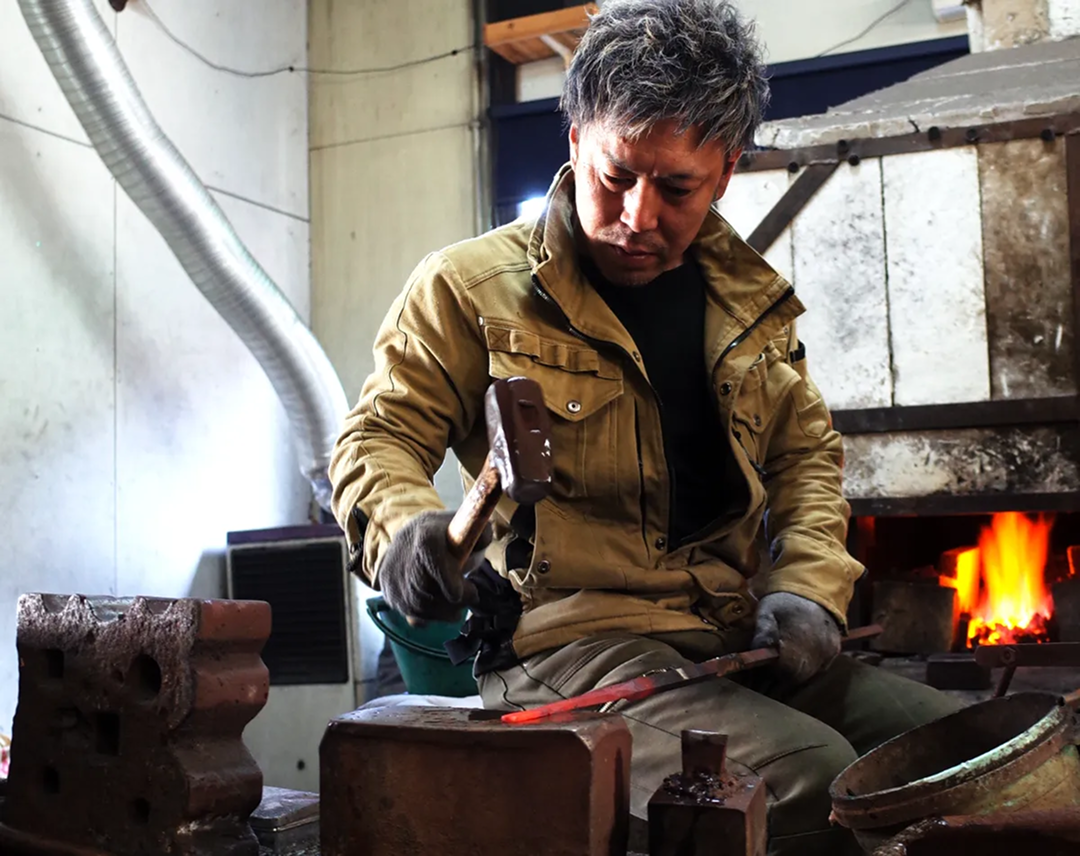
All aspects of production happen under Nishida’s eye in his workshop. His warigomi forging allows flexibility in steel ratios and patterning uncommon to mass production. He shapes bevels to his specifications and adds visible hammer marks that attest to human touch.
Following forging and heat treatment, each blade is ground, polished, sharpened, and finally fitted with a handle he carves himself. The result is a knife that feels like an extension of the hand and holds an edge that performs tasks with precision.
MESSAGE FROM THE MAKER
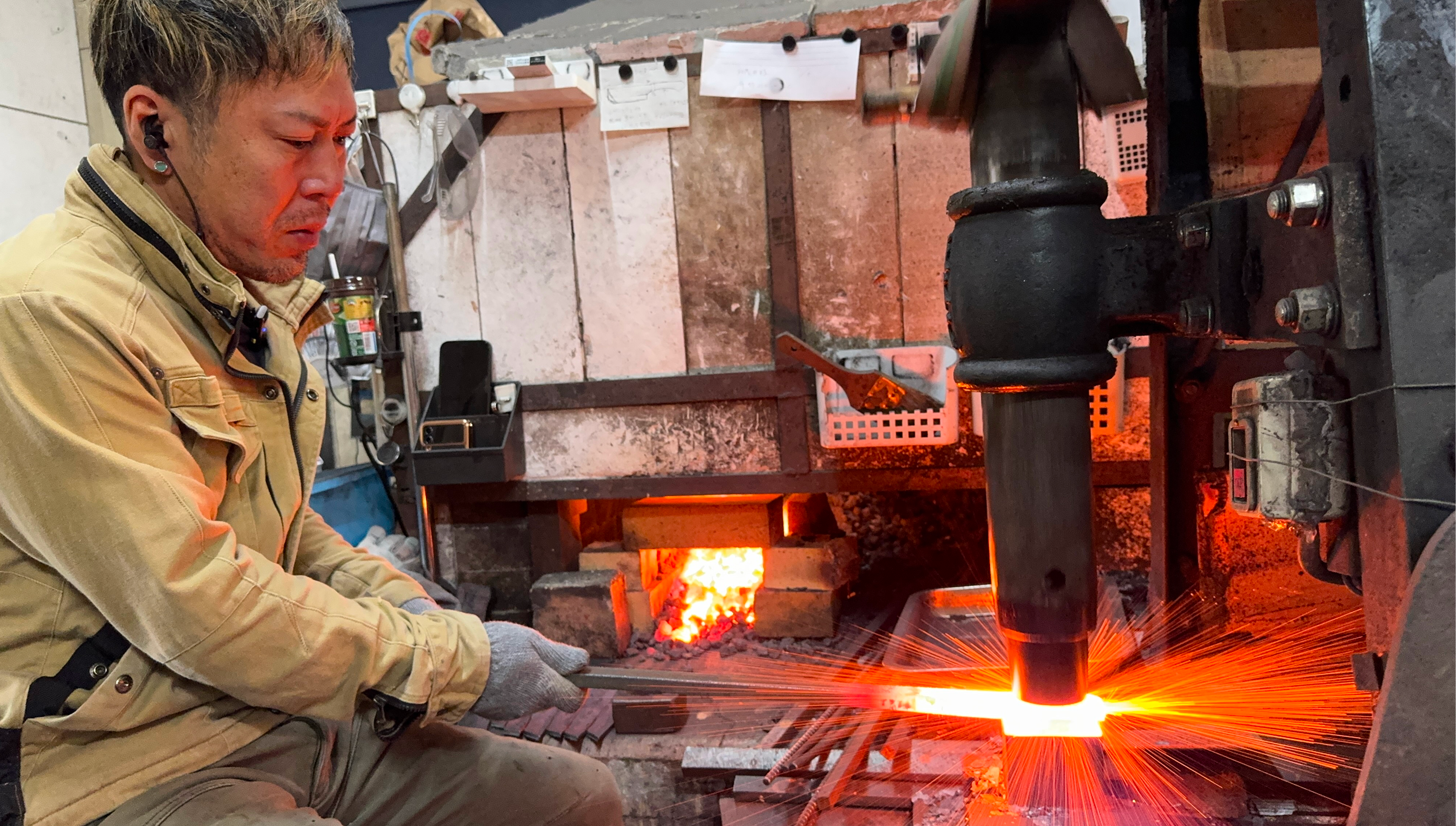
I am Daisuke Nishida. I forge every blade from start to finish, using layered steel and a single-hand approach. I rely on warigomi forging to maintain authenticity, strength, and edge durability. I build these knives not for display but for performance. I hope each blade delivers real craftsmanship into your hands and kitchen.
FREQUENTLY ASKED QUESTIONS
Are Nishida Hamono knives dishwasher safe?
No, Nishida Hamono knives should not be washed in the dishwasher due to their artisanal crafting process. To prevent damage to your knife and ensure it lasts you for years to come, please wash the knife by hand with a mild detergent and gentle sponge.
How should I care for my Nishida Hamono knife?
After each use, be sure to wash the knife by hand using a mild detergent and gentle sponge. Rinse clean and wipe with a soft dish towel until completely dry. Store in a dry place.
Will my Nishida Hamono knife rust?
Nishida Hamono knives are made of Shirogami No.1 (White Steel #1), a type of carbon steel. Thus, they are prone to rust, so be sure to dry your knife completely before putting it away and to store in a dry place to prevent corrosion.
How much will shipping cost?
All prices include FREE international shipping. Please allow up to 5 weeks for shipping, depending on your country of residence. Please see our Shipping Policy for details.
Please note: Our products ship directly from Japan to you. You may be required to pay customs duties and/or customs clearance fees upon delivery (if applicable in your country). US customers please see our Important Notice for US Customers.
How do I sharpen my Nishida Hamono Knife?
Please watch the below video.
When you take proper care of your knife, it will last for decades. Apart from washing it with clean hot water, drying it off thoroughly, and placing it in newspaper to prevent rust, you need to sharpen your knife properly using a sharpening stone. And we explain you how here: